
CommSec Pulse: Generation Z
This report dives into the trading practices and preferences of Gen Z, the 21st century generation facing unique 21st century challenges.

Who is Gen Z?
The only generation of our cohorts to have been born in the 21st century (typically between ~1997-2012), Gen Zers face a vastly different world and challenges to their Millennial and Gen X parents, and especially their Baby Boomer grandparents, when they were their age.
Arguably the biggest difference for Aussie Gen Zers, in terms of the economic and investment landscapes, is the property market. Where 40 years ago, Baby Boomers and Gen Xers could buy a typical first home in Sydney or Melbourne for around 3-4 times the average salary of the time, Gen Zers face a price ratio of up to 14 times their average salary, following several decades of property values far outpacing average wage growth.
Consequently, investing in the stock market to generate capital has become an appealing alternative to property for many Gen Zers, who make up a bigger share of active CommSec traders than Baby Boomers.
All the facts and figures cited below are taken from CommSec’s insights into and analysis of more than two million customers.
How Gen Z are managing their finances
Growing up in a digital-first world shaped by economic uncertainty, rising living and property costs and rapid technological change, Gen Z is focused on building financial security while maintaining flexibility and independence. Many Gen Zers are balancing study, early career goals, housing affordability challenges and lifestyle aspirations, while looking for ways to grow their wealth over time.
Financial wellbeing for Gen Z is centred on creating strong foundations for the future. Key priorities include:
- Building savings and emergency funds
- Growing wealth through investing
- Managing debt and everyday costs
- Achieving long-term goals such as home ownership
- Maintaining financial flexibility and independence
- Aligning financial decisions with personal values and priorities
.
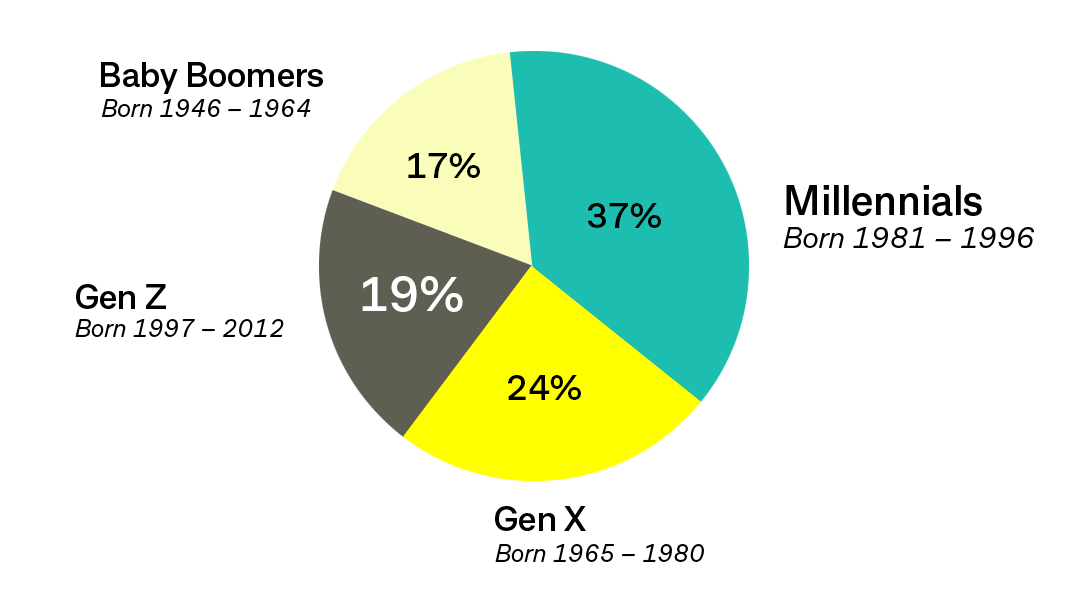
Gen Z is CommSec’s second-smallest trading generation
CommSec’s trading data shows that 19% of all our active investors are Gen Z, the second-smallest of the generational cohorts (excluding the Greatest and Silent generations, both born pre-1946) and only slightly larger than Baby Boomers. But while Baby Boomers hold the biggest share of the wealth pie ($128.6bn out of $281.2bn total across all six generations, or around 46%), Gen Z hold the smallest (excluding the Greatest Generation), of $4.6bn or ~1.6%.

Portfolio value & stock holdings
Gen Z hold an average of around $20,000 in portfolio size – a staggering 27+ times less than the average balance of a Baby Boomer trader (around $541k) – and have an average of three stock holdings.

Diversification: ETF, Australian or International?
As a rule of thumb, the older the generation, the more traders have ASX holdings. Conversely, younger traders are more likely to have ETFs and international securities. More than two-thirds of all Gen Zers are trading in ETFs, compared with fewer than 1 in 5 Baby Boomers.
Gen X, Millennials and Gen Z each hold 10% in international shares, double that of Baby Boomers. Gen Z is also the most active trading cohort, making up more than a quarter of CommSec customers who traded in FY26.
Gen Z is digitally savvy, values flexibility & invests with purpose
Gen Z is more likely than older generations to embrace digital investment platforms, social media insights and emerging asset classes. Many are starting their wealth-building journey early, balancing long-term financial goals with causes and brands that align with their values.
With time on their side, Gen Z often prioritises growth, using a mix of shares, ETFs, managed funds and alternative investments to build wealth. They are generally comfortable with technology and innovation, while increasingly recognising the importance of diversification and risk management.
While willing to explore new opportunities, Gen Z is focused on creating financial security while maintaining the flexibility to adapt to a rapidly changing world.
|
|
Gen Z |
Millennials |
|
Main platforms |
Mobile-first investing apps, digital wallets, social investing platforms |
Mobile apps, digital platforms, robo-advisors |
|
Risk appetite |
Higher risk tolerance, willing to explore emerging assets and trends |
Growth-oriented with a focus on long-term wealth accumulation |
|
Popular investments |
ETFs, tech stocks, crypto, AI-related investments, thematic funds |
Tech stocks, AI, ETFs, crypto exposure |
|
Investment style |
Highly digital, self-directed, values accessibility and flexibility |
DIY and tech-driven |
|
Information sources |
TikTok, YouTube, Instagram, online communities, financial influencers |
Social media, YouTube, Reddit |
|
Trading frequency |
More active and experimental, frequent portfolio monitoring |
More active than older generations, but generally focused on long-term growth |
Top traded Aussie shares by Gen Z
The Gen Z ASX top five traded stocks for FY26 includes legacy banking stock such as CBA, as well as newer digi finance players like Zip.
|
Stock Code |
Company Name |
Top traded US securities by Gen Z
As with Millennials and Baby Boomers, the US top five securities list for Gen Z is dominated by big Nasdaq names like Tesla and NVIDIA, while also incorporating US ETFs like Proshares.
Top traded Australian ETFs by Gen Z
The Gen Z ETF Aussie top five includes funds tied to the Nasdaq-100, Australian shares, the S&P 500 and international shares.
The bottom line
The challenges of an increasingly unaffordable property market have made the alternative of securities trading more appealing to Gen Z than perhaps any other generational cohort. Gen Z investors are digitally savvy, globally connected, and focused on building wealth early while balancing flexibility and long-term goals. Growing up with easy access to financial information and digital investing platforms, they tend to be confident exploring a range of opportunities beyond Australia.
While many Aussie Gen Z investors are drawn to global markets, particularly Nasdaq-listed US tech securities, they also recognise the value of Australian-listed companies as part of a diversified portfolio that supports long-term financial growth. But whether local or global, it’s clear ETFs is the name of the game for the youngest cohort.
To learn more about how to invest in global companies, see International Trading.


Across the generations
CommSec’s analysis of our customers’ profiles and activities across FY26 has uncovered some fascinating insights into Aussie traders and trading behaviour broadly, regardless of their generation. Among our key findings:
More Australians are investing, both domestically and especially internationally We saw growth of 11.5% in trading customers over the past fiscal year, with trading up 27% on FY25 and traded value up 33%. New domestic stock accounts were up 10% and new international accounts up 16%
Aussie traders are more engaged overall The proportion of our customers who completed a trade in the 12 months to May ticked up by 0.2% compared to the same timeframe to November 2025. We also saw more people trade within the first 90 days of opening their trading account
Women are a bigger force in the trading market than ever before Female investors are driving a bigger share of new money into markets, at 42% of first-time investors in FY26, up from 36.3% two years ago. They now represent 34% of our active investors, up slightly from FY25, and they tend to trade more in ETFs than their male counterparts, who generally trade more in direct equities
Investors are getting younger, especially first-time investors Traded value for our under-40 customers increased 54.9%, compared with 30.3% for customers aged 40+. The under‑40 share of first‑time investor activity climbed from 63.2% in FY24 to 66.2% in FY26
See the bigger picture of how all generations are investing




Explore the market and invest with confidence
Get more investment ideas with the CommSec app using its latest features including price alerts, AI driven stock reports, new international trading and watchlist, and more!
Download the latest version of the app to see the latest market price data for ASX, ETF and international shares.
|
|